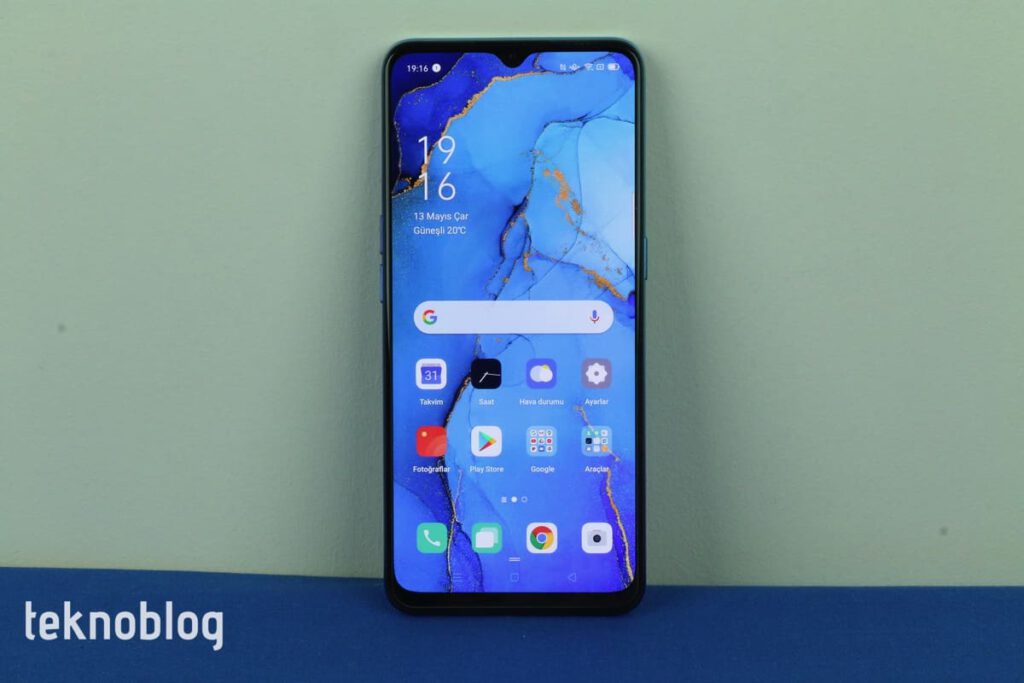
The Oppo Reno 3 is a mid-range Android phone that follows the Reno 2F in Oppo’s line-up. This review covers its design and build, the 6.4-inch AMOLED display, performance and ColorOS software running on the MediaTek Helio P90, the quad-camera system, and battery life.
Design & Build
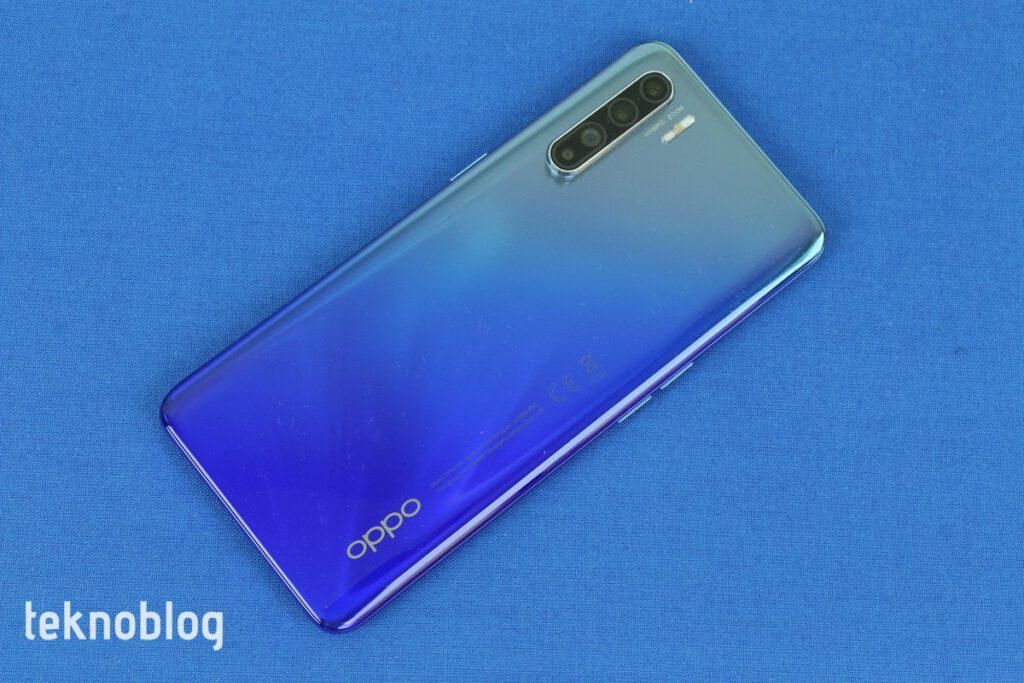
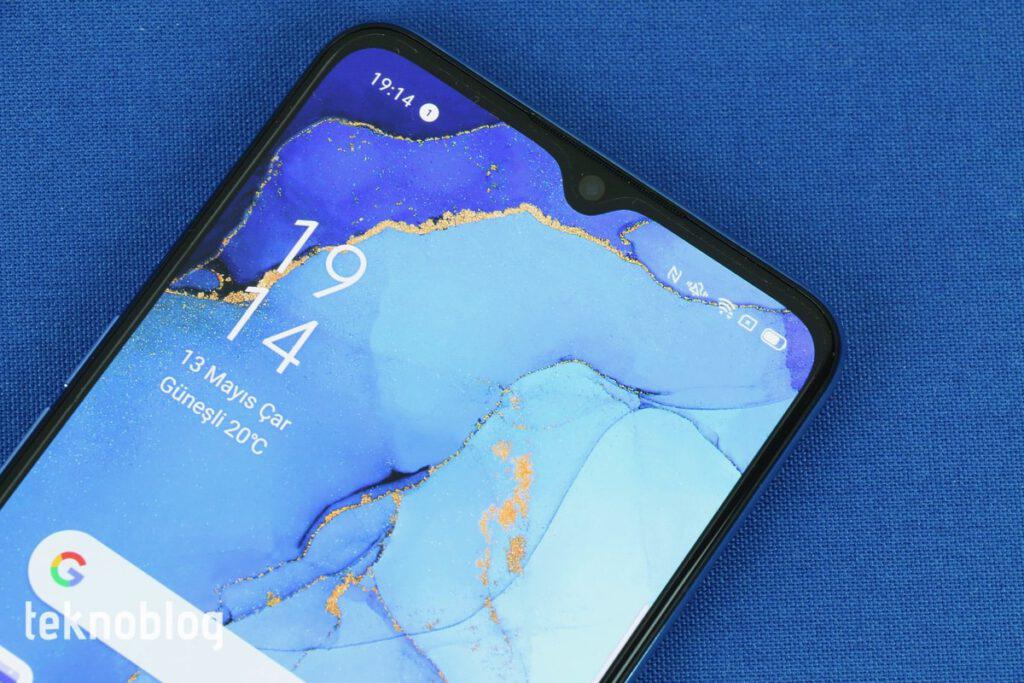
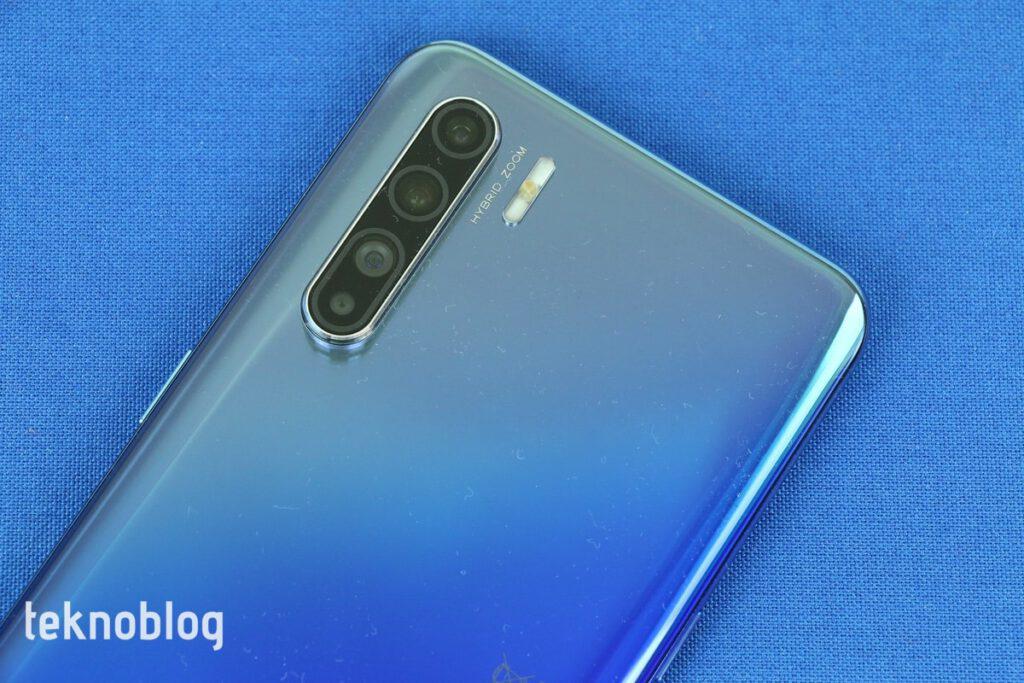
In its design, the Oppo Reno 3 resembles Oppo’s F-series more than the Reno 2F it directly succeeds. It carries a waterdrop notch above the screen that houses the front camera, rather than the pop-up mechanism used on the Reno 2F. On the rear, a quad-camera system sits vertically in the upper-left corner and stands out as a distinct protrusion rather than lying flush with the panel. An LED flash and the Oppo logo sit at the lower right.
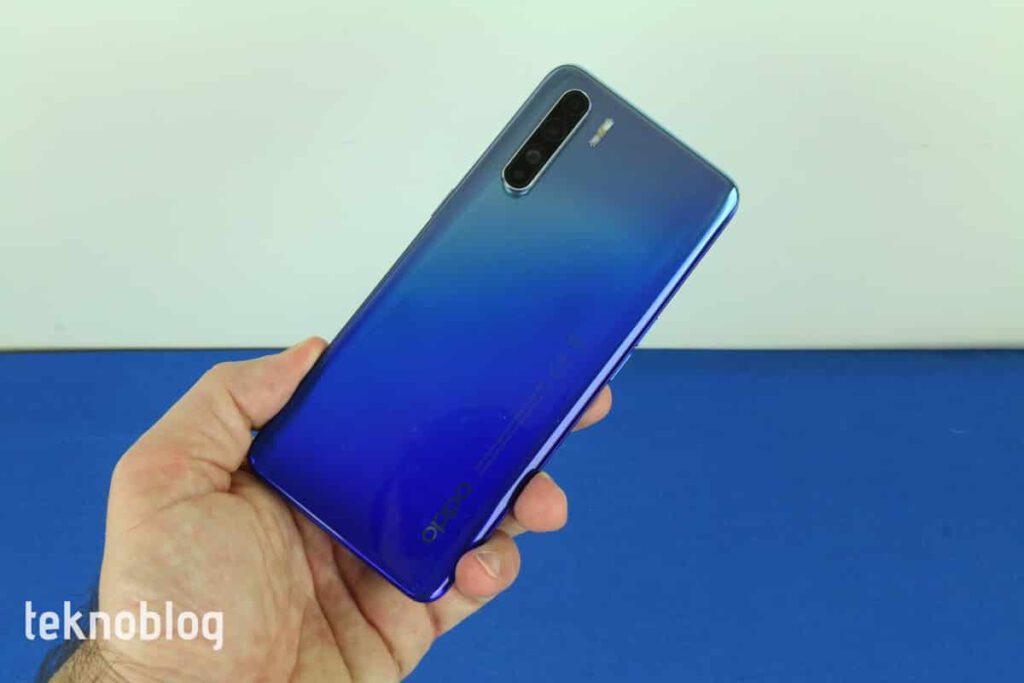
The glass rear panel curves toward the edges, which improves the look and helps the phone settle into the hand. The finish shifts with the light; the auroral blue option, inspired by the northern lights, shows different shades of blue. The frame that joins the front and rear panels is plastic, which tempers the premium impression created by the glass back and the rest of the design.
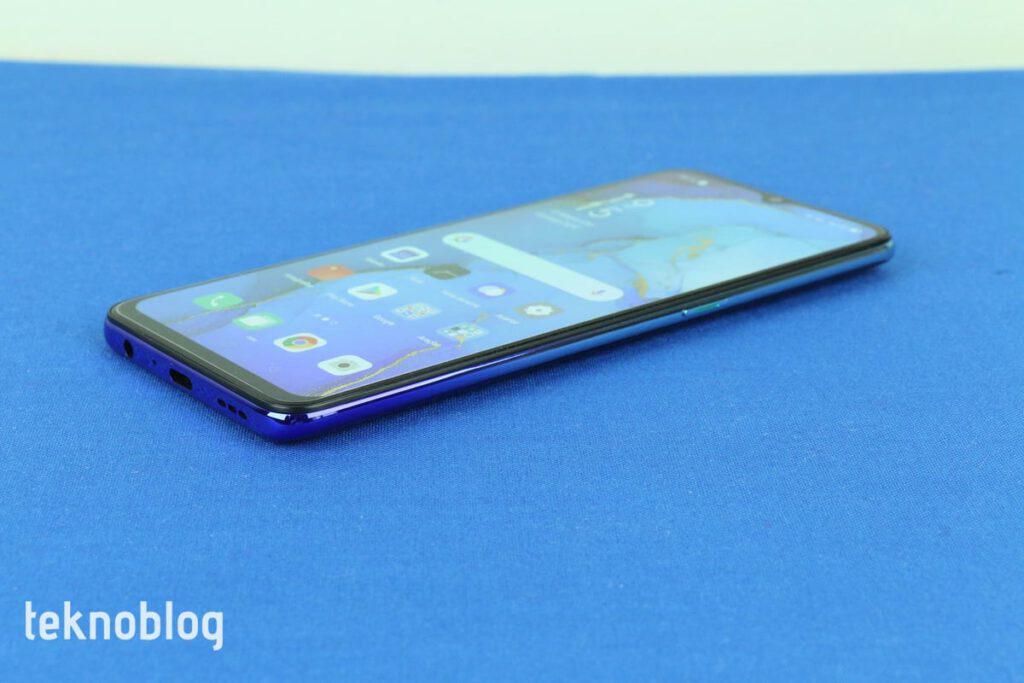
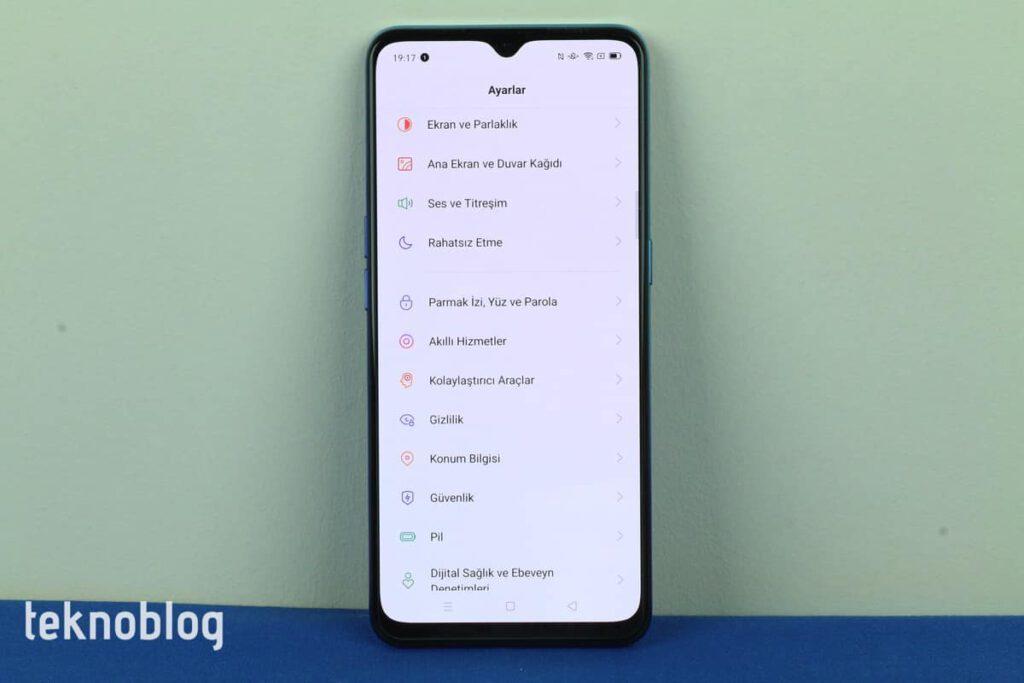
The 6.4-inch screen covers 84.2 percent of the front panel. A thin frame surrounds it and thickens slightly at the bottom edge. The earpiece speaker is concealed where the frame meets the waterdrop notch. The fingerprint scanner sits under the display.
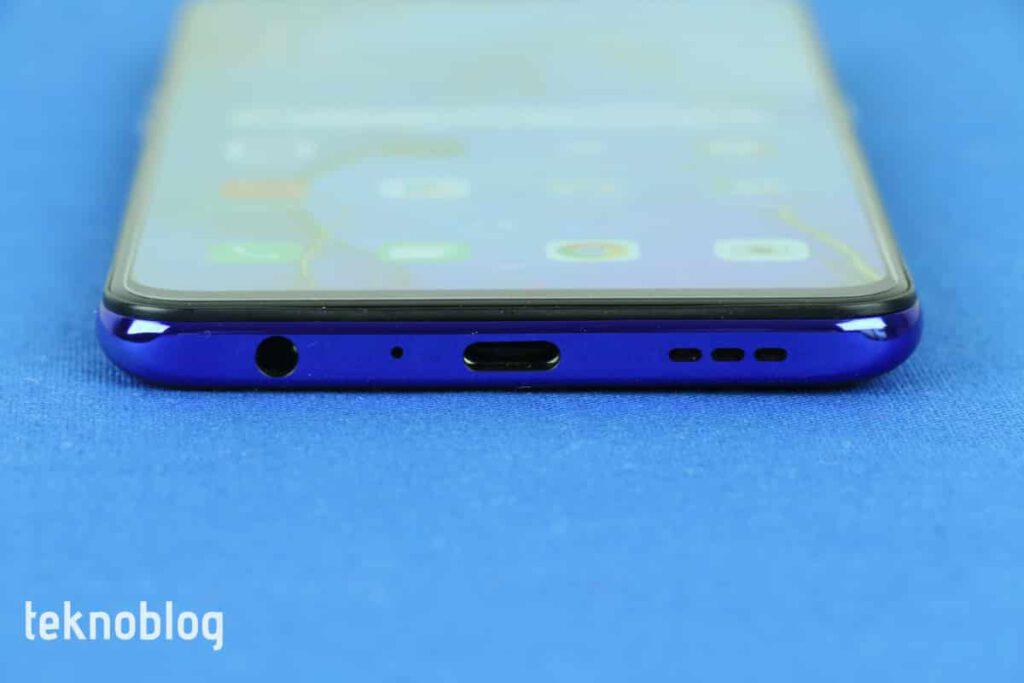
The left side holds a volume rocker and the tray for the nano SIM and microSD card. The right side carries only the power button, marked with a green accent line that makes it easy to find by feel. A secondary microphone sits on the top edge. The bottom edge is the busiest: it packs a USB Type-C port, a 3.5mm headphone jack, the main speaker, and a microphone. Sound output is loud; the speaker is tuned for volume rather than music fidelity.
Display
The Oppo Reno 3 has a 6.4-inch AMOLED capacitive display with a 20:9 aspect ratio, a 2400×1080 resolution, and a pixel density of 441 ppi, covering 84.2 percent of the front. The waterdrop notch at the top holds the 44-megapixel front camera. The refresh rate is 60Hz. Colors look vivid without appearing artificial, and the viewing angles are wide enough for two people to look at the screen together.
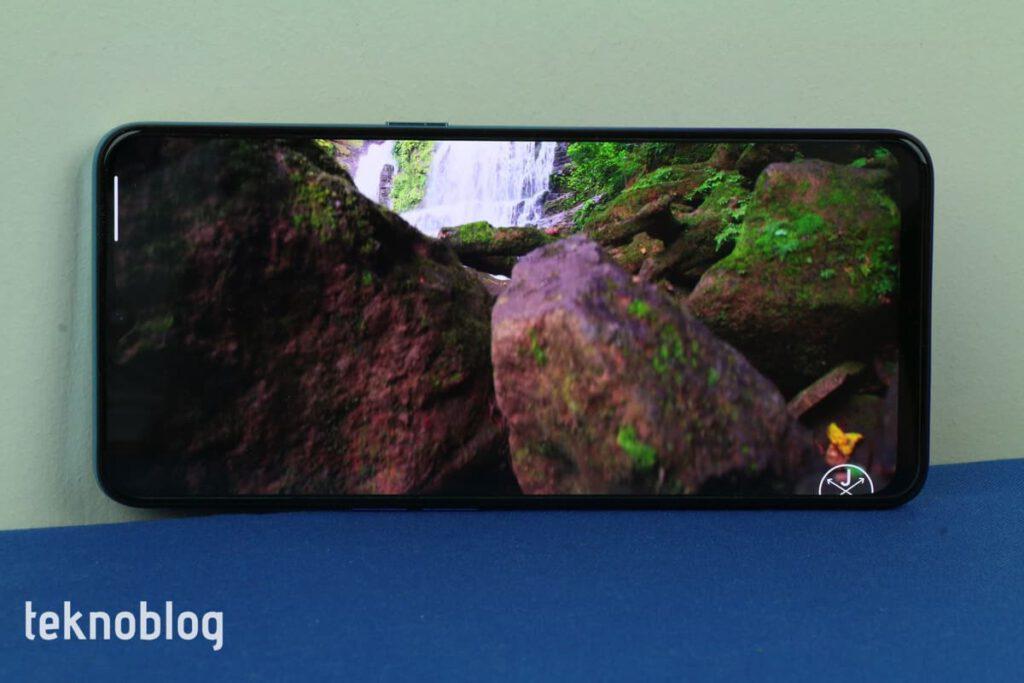
Brightness is high enough to keep the screen readable under direct sunlight, and it can adjust automatically to the ambient light level. The Screen & brightness section of the settings gathers the display options: dark mode, and the eye care blue-light filter. Both can run on a schedule.
The display also offers the OSIE vision effect, which uses artificial intelligence to enhance visuals in supported applications. Turning the effect on raises battery consumption slightly, without a large impact on overall screen-on time. The panel is well suited to games and video.
Performance & Software
At the core of the Oppo Reno 3 is the MediaTek Helio P90, paired with 8 GB of RAM and 128 GB of internal storage. About 21 GB is reserved for Android, which leaves roughly 107 GB free for the user, and a microSD card can expand it further.
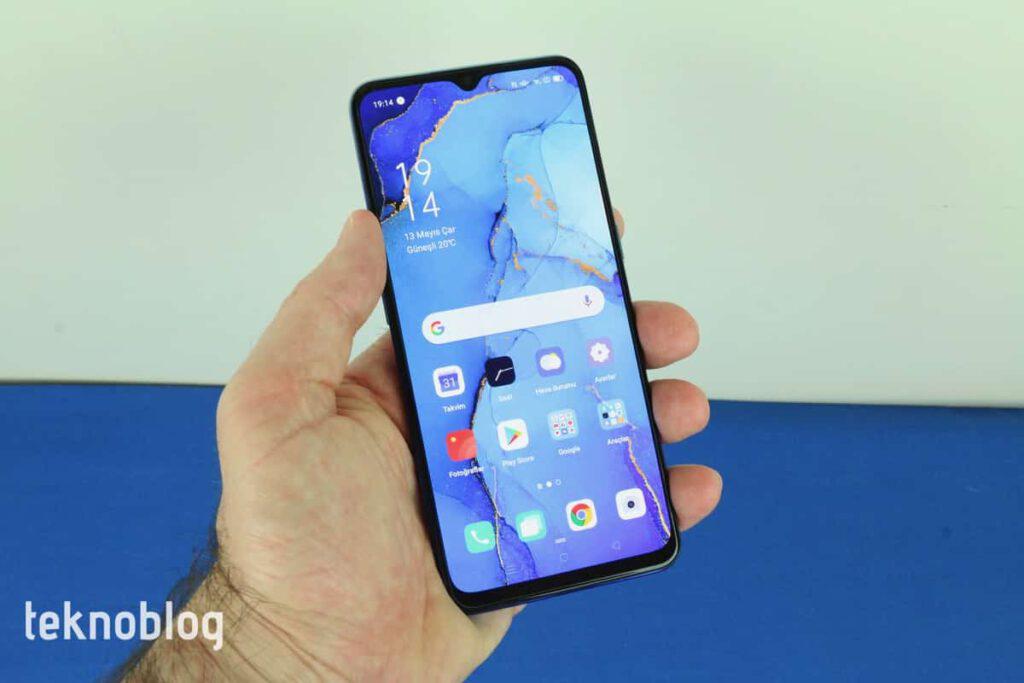
In daily use the phone is responsive, and interface transitions and app launches feel quick. The 8 GB of RAM keeps multitasking smooth: with Spotify running in the background, browsing Instagram, Twitter, or the web does not cause trouble.
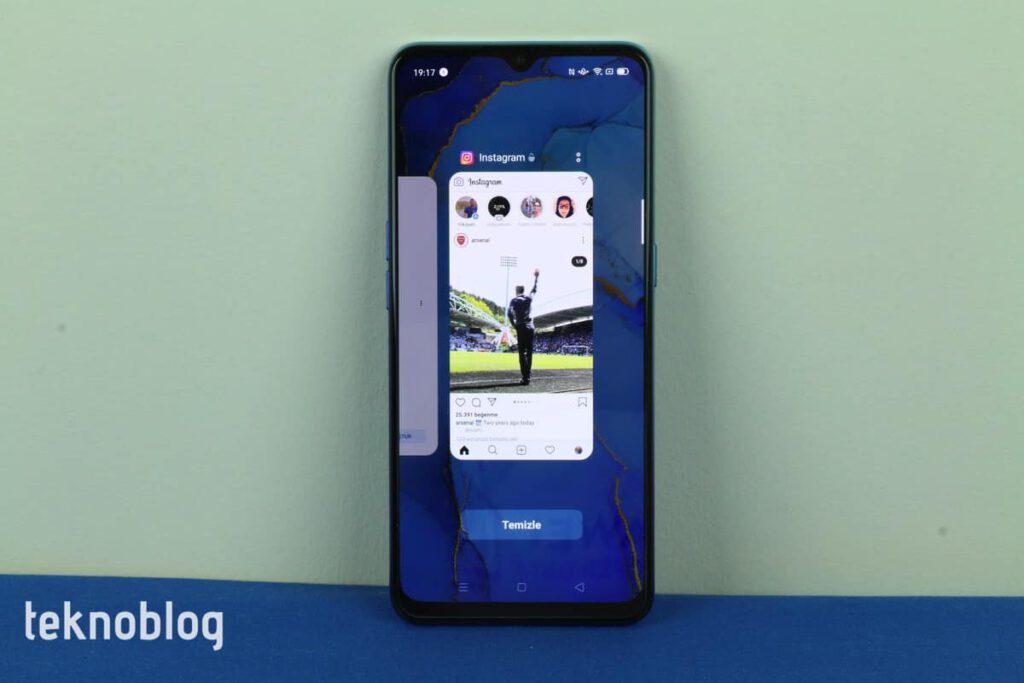
The Helio P90 dates from 2019, and its improvements centered on artificial intelligence and the camera rather than gaming. Even so, recent games run at medium to maximum graphics settings. During testing, the Oppo Reno 3 ran Call of Duty: Mobile and PUBG Mobile; the experience in Call of Duty: Mobile was the smoother of the two, and heating during play stayed comfortable.
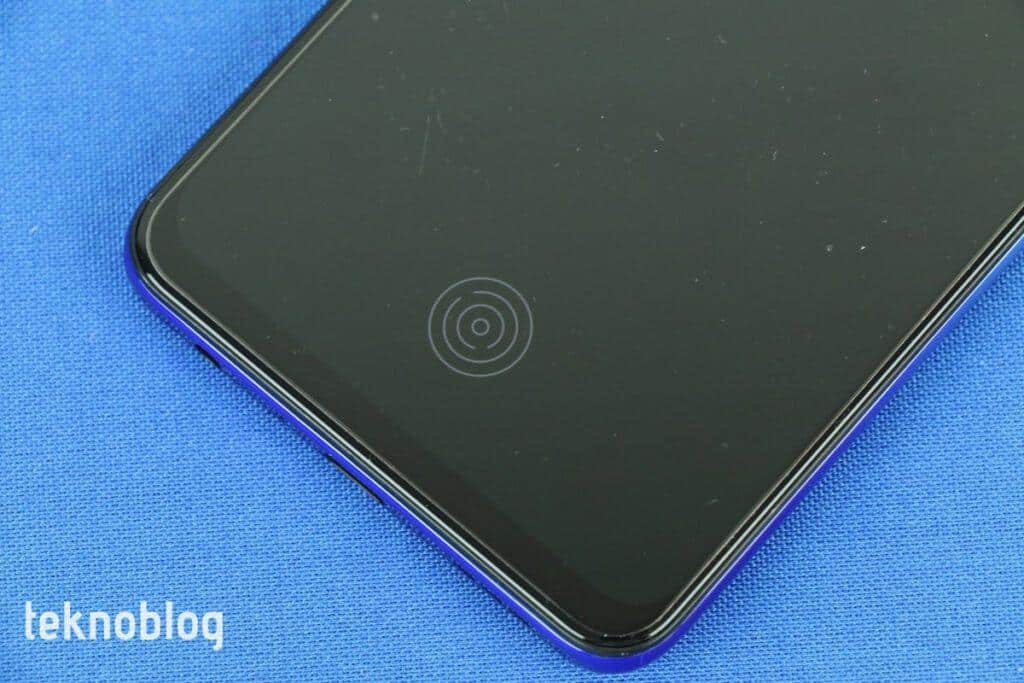
For biometrics, the Oppo Reno 3 offers face recognition and the in-display fingerprint scanner. Face recognition unlocks quickly, even in dark environments. The fingerprint scanner is also fast: a touch on the marked area near the bottom of the screen unlocks the phone in a short moment, and it is within easy reach of either thumb.
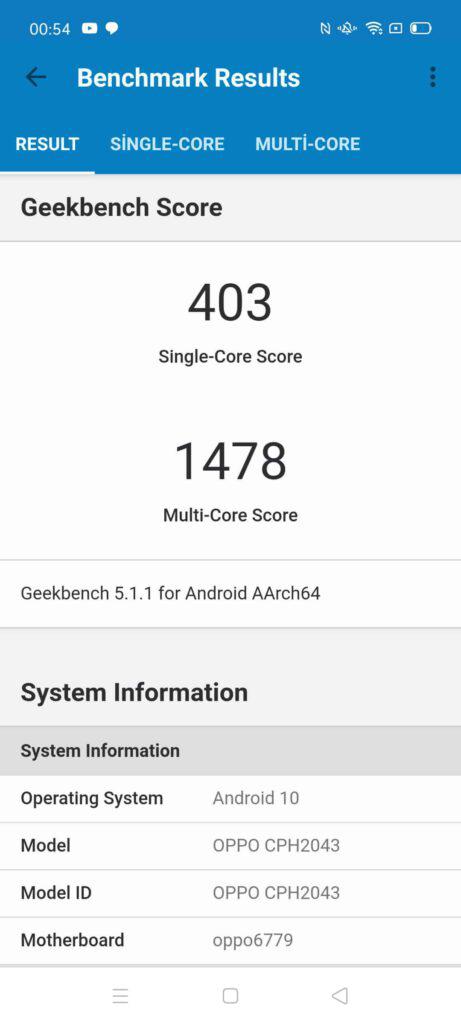
In Geekbench, the Oppo Reno 3 scores 403 in the single-core test and 1478 in multi-core.
On the software side, the Oppo Reno 3 runs Android 10 under Oppo’s ColorOS 7 interface, which reshapes the standard Android experience through its own app icons, redesigned default apps, and added tools. Users familiar with earlier Oppo phones will recognize the layout.
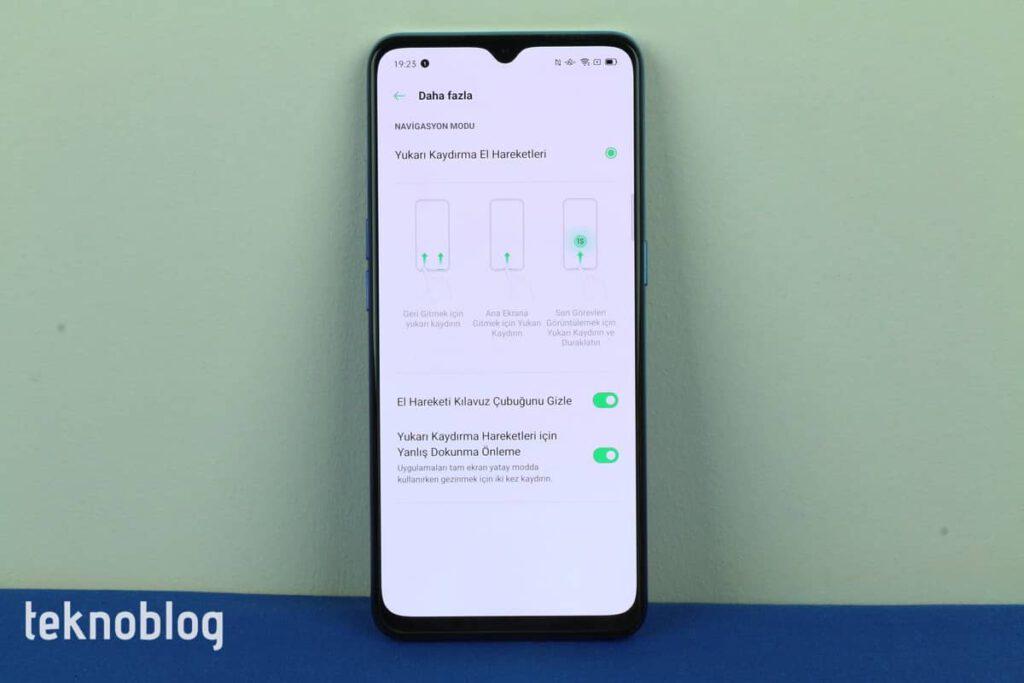
One ColorOS 7 tool is the Smart Sidebar, which hides at the right edge in portrait orientation and appears with a swipe to the left. It provides quick access to tools and selected apps, which can open in a floating window or full screen, and users can edit which items appear through the bar’s edit option.
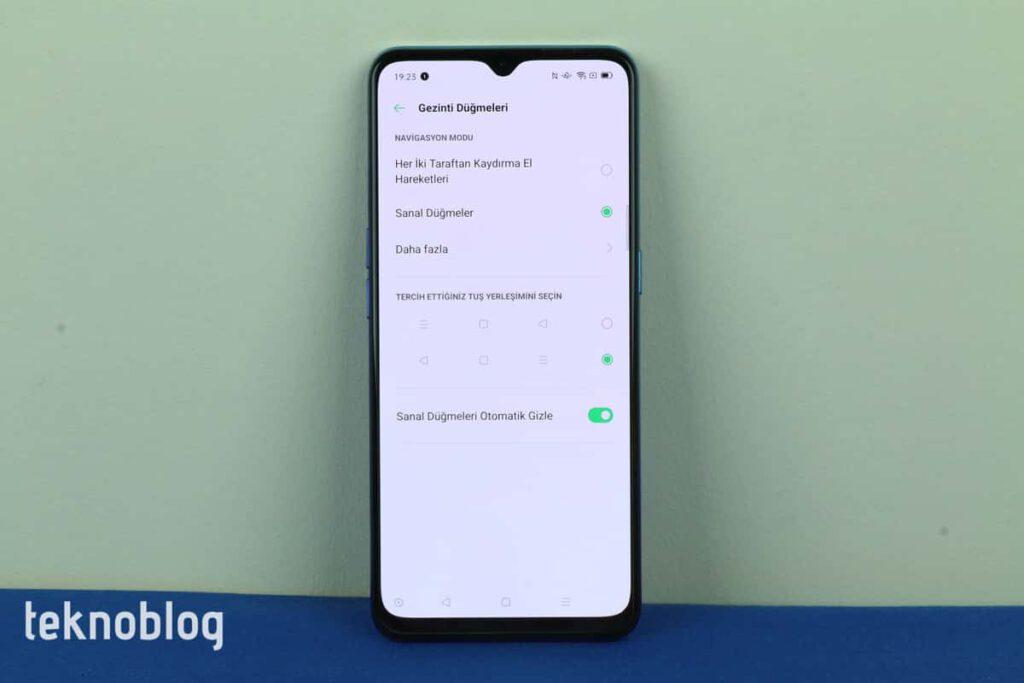
Gestures also help interaction. Drawing the letter O on the screen while it is off starts the camera, and sliding three fingers down the screen captures a screenshot. Users can also set the phone to launch Google Assistant by holding the power key for half a second.
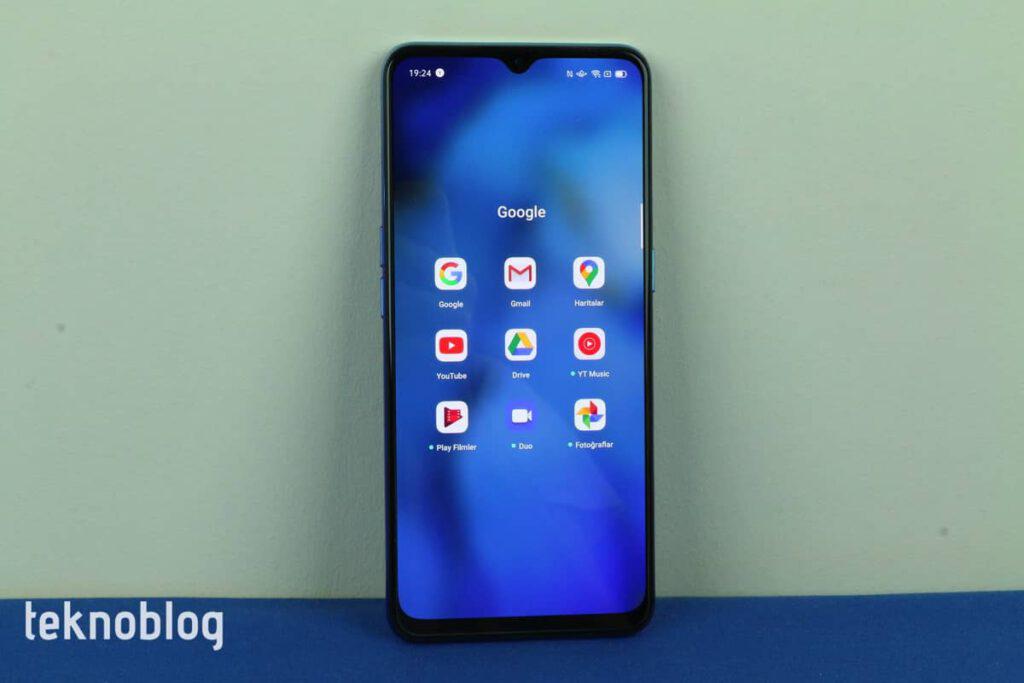
The usual Google apps are present, including Gmail, Google Maps, YouTube, Google Duo, and Google Photos, grouped in a Google folder on the home screen. Google Calendar is the default calendar and Chrome is the default browser, while Opera comes pre-loaded and Keep Notes sits in the tools folder.
The tools folder holds further utilities. The phone manager optimizes the device for performance and manages privacy permissions and hardware controls.
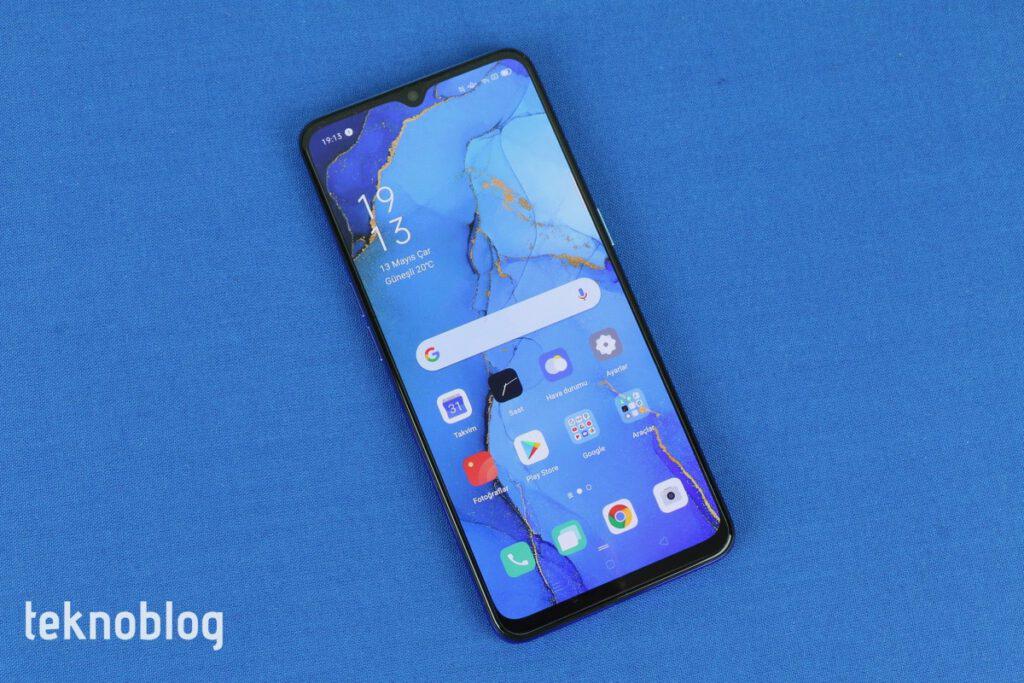
The Oppo Reno 3 ships with a large set of pre-installed applications. Among them, OfficeSuite handles text documents, presentations, and PDFs, and Solopop combines photos and videos into a single memory clip. Sliding up on the home screen opens the app drawer, where apps are listed alphabetically, recently used or installed apps are grouped separately, and a search bar helps locate a specific app.
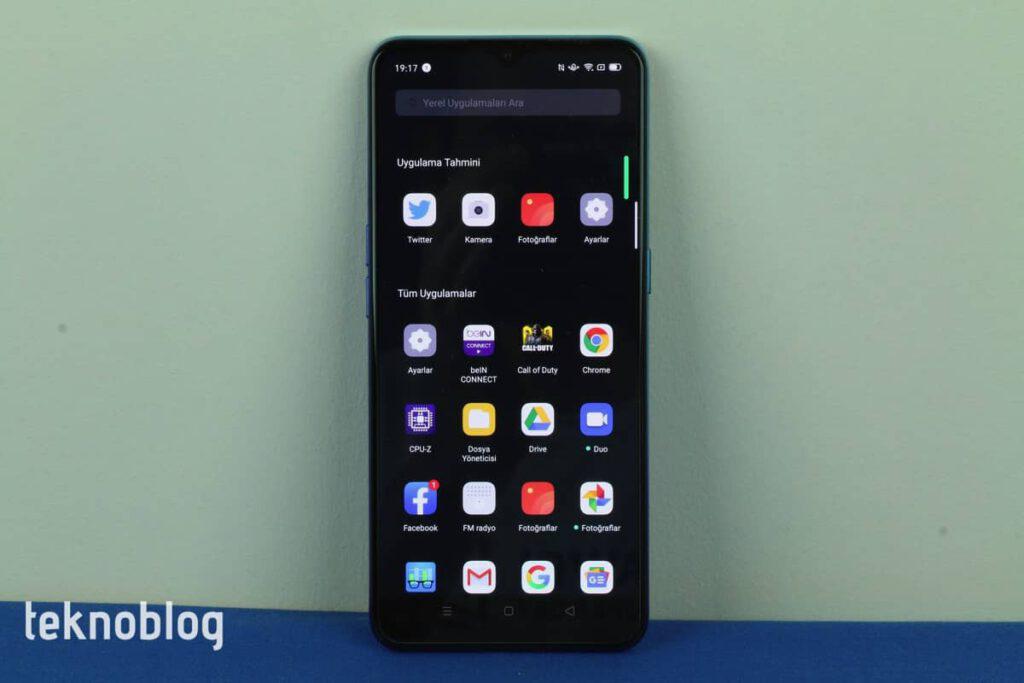
Although the Helio P90 is not built for gaming, the software still includes a game-oriented feature. The plays area lists installed games, sets the performance mode to use during play, and controls whether calls and notifications are blocked while gaming.
Camera
The rear camera is a four-sensor system. A 48-megapixel wide-angle sensor serves as the main camera, joined by a 13-megapixel telephoto with 2x optical zoom, an 8-megapixel ultra-wide sensor, and a 2-megapixel monochrome sensor that doubles as a macro camera.
In good light, the camera produces clear, detailed photos, with colors that look vivid but natural. Artificial intelligence recognizes the scene and adjusts settings automatically; photographing food, flowers, or landscapes triggers the matching optimization.
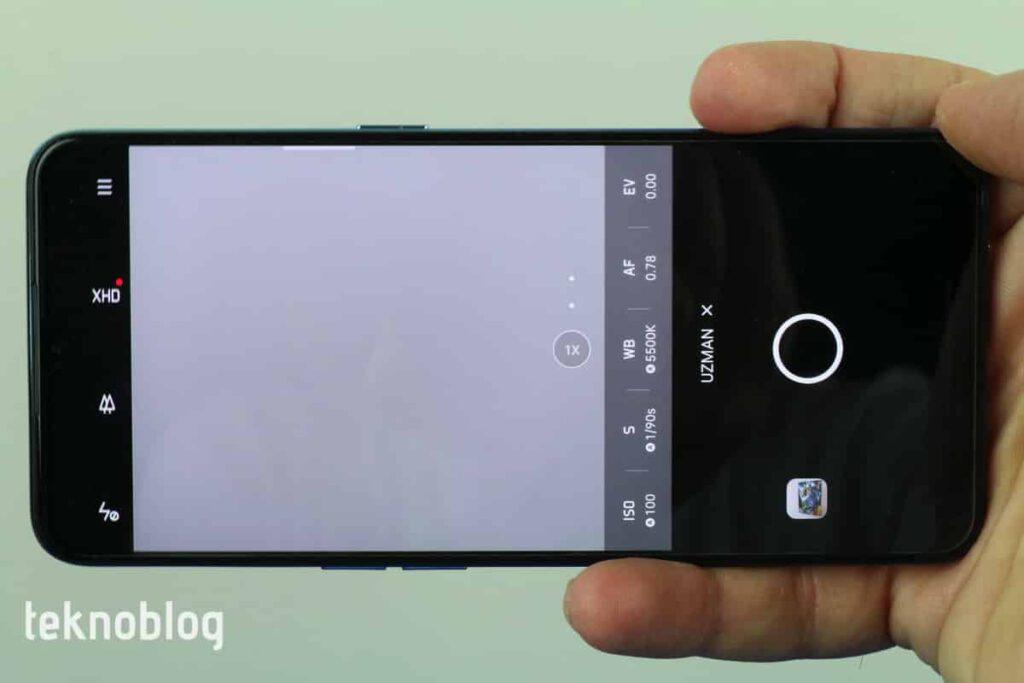
Zoom holds up well; photographing an object about 10 meters away shows no notable loss in color or detail. In low light and at night, shots taken under artificial lighting stay clear, helped by the AI processing, though they do not reach the clarity of daylight shots.
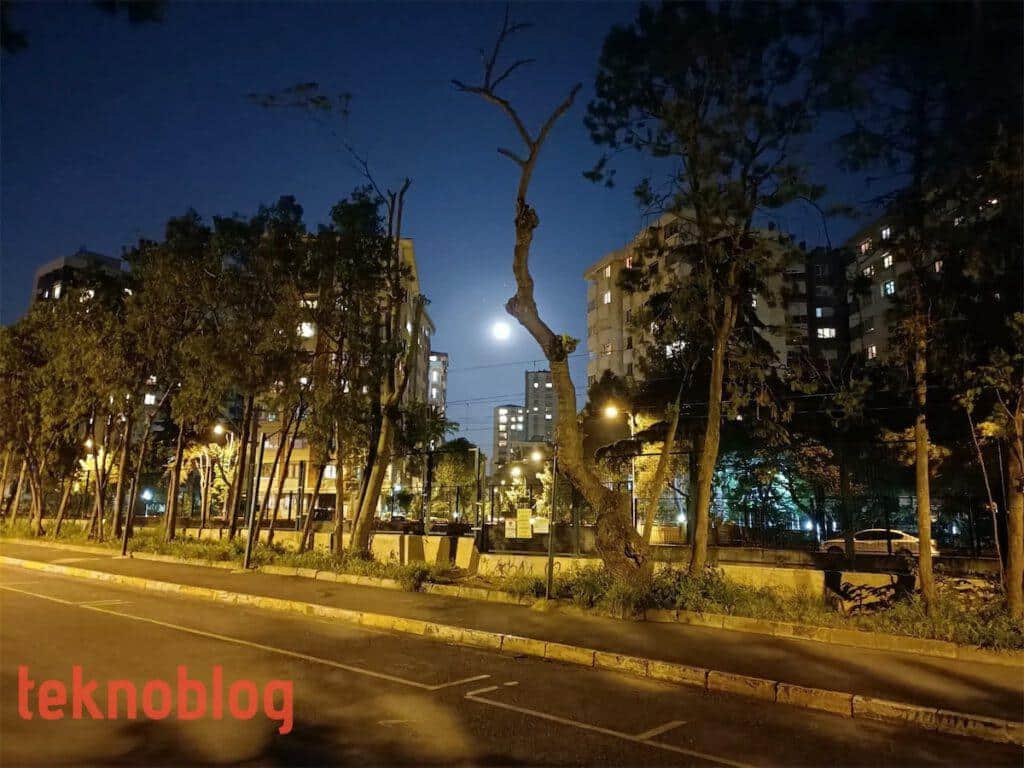
In darker settings, the ultra-dark mode brightens the frame. The AI-boosted light shows more clearly in these shots, so a touch of artificiality appears, though it does not become distracting, and the level of detail stays high in both night and ultra-dark modes.
The 44-megapixel front camera takes clear, detailed selfies in daylight and in adequate ambient light. Its night mode brightens selfies in low light using a screen flash, which naturally dazzles the subject. The rear camera records 4K video at 30 fps, and the front camera records up to 1080p.
Battery
The Oppo Reno 3 draws power from a 4025 mAh battery, which lasts through a day of use thanks to the software optimizations. A full day holds up even with a mix of social media, several phone calls, Facebook Messenger, Chrome browsing, YouTube and Netflix video, Spotify, and sessions of Call of Duty: Mobile and PUBG Mobile. With lighter use, it stretches beyond a single day.
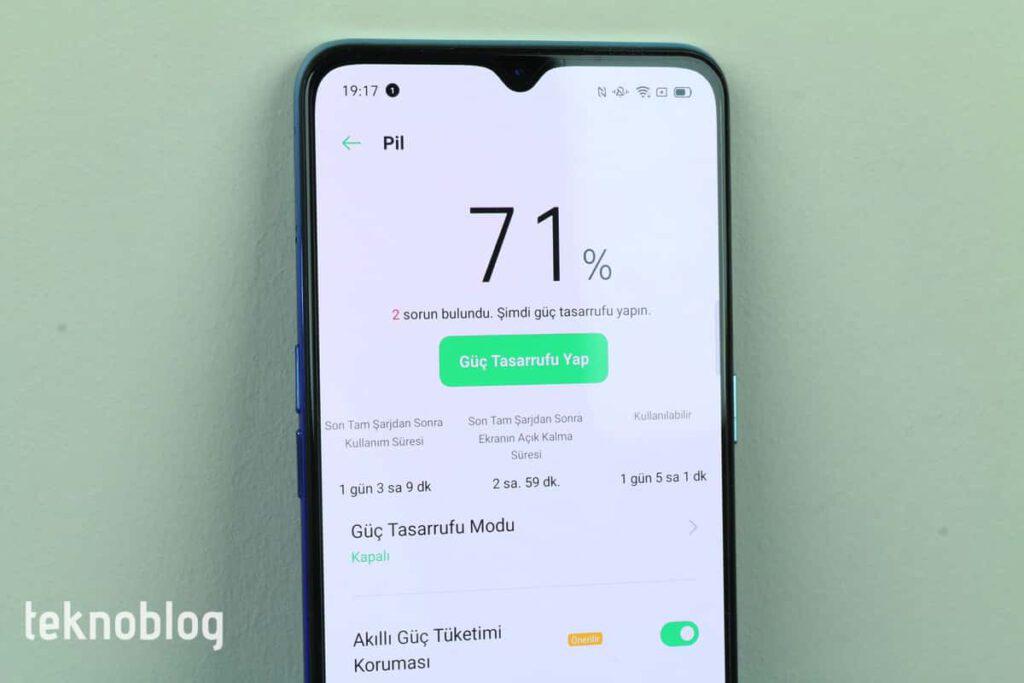
The phone supports 30W VOOC 3.0 fast charging. Oppo’s figures put a flat battery at 50 percent in 30 minutes and 100 percent in 70 minutes. In our charging test, the Oppo Reno 3 started at 9 percent at 15:01, reached 58 percent by 15:34 and 81 percent by 15:49, and completed to 100 percent by 16:06, which lines up with the figures Oppo provides.
Who Is Oppo Reno 3 For?
The Oppo Reno 3 sits in the upper mid-range and suits users who want a stylish glass design, a vivid 6.4-inch AMOLED display for video and games, and smooth everyday multitasking backed by 8 GB of RAM. Its cameras reward good lighting with clear, detailed photos, and the AI processing helps in scene recognition and night shots.

The Helio P90 is the phone’s most dated part and is less ideal for demanding games, though it handles everyday apps well and carries strong AI features for the camera. For users who value display quality, dependable multitasking, and photography in good light more than peak gaming performance, the Oppo Reno 3 is a sound fit, with ColorOS 7 on Android 10 rounding out the experience.
Bu incelemeyi nasıl hazırladık?
Teknik değerleri güvenilir kaynaktan alır, kendi sözümüzle kurar, kaynağını gösteririz. Ölçülmüş bağımsız test emeğini kendimize mal etmeyiz. Puan vermedik: kanaat, sıralama değil.
İşine uyanı gördüysen, gerisini merak etme — en pahalı değil, sana denk geleni almak en rahatı; kararın da, paran da bereketli olsun.
Okuyucu deneyimleri & sorular
Bu ürünü gerçekten kullananların notları — çoğu zaman incelememizden daha kıymetli. Puan/beğeni yok; işaret güven içindir: neyin faydalı, neyin şüpheli olduğunu topluluk gösterir.
Katkı için yola katıl.
Deneyimini paylaşmak ya da bir soru sormak için üye ol; okumak herkese açık. Emeğin kayıt altında, kıymeti kazanılır.